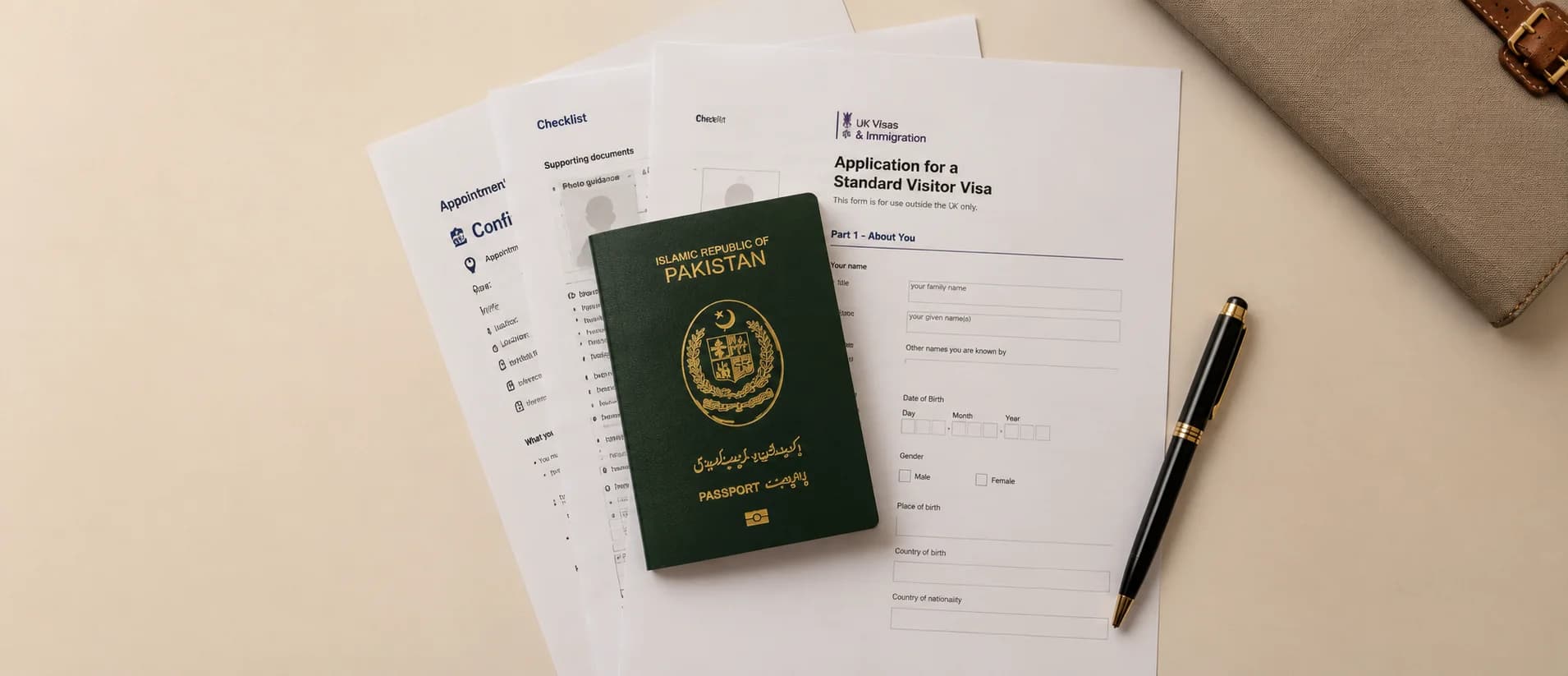
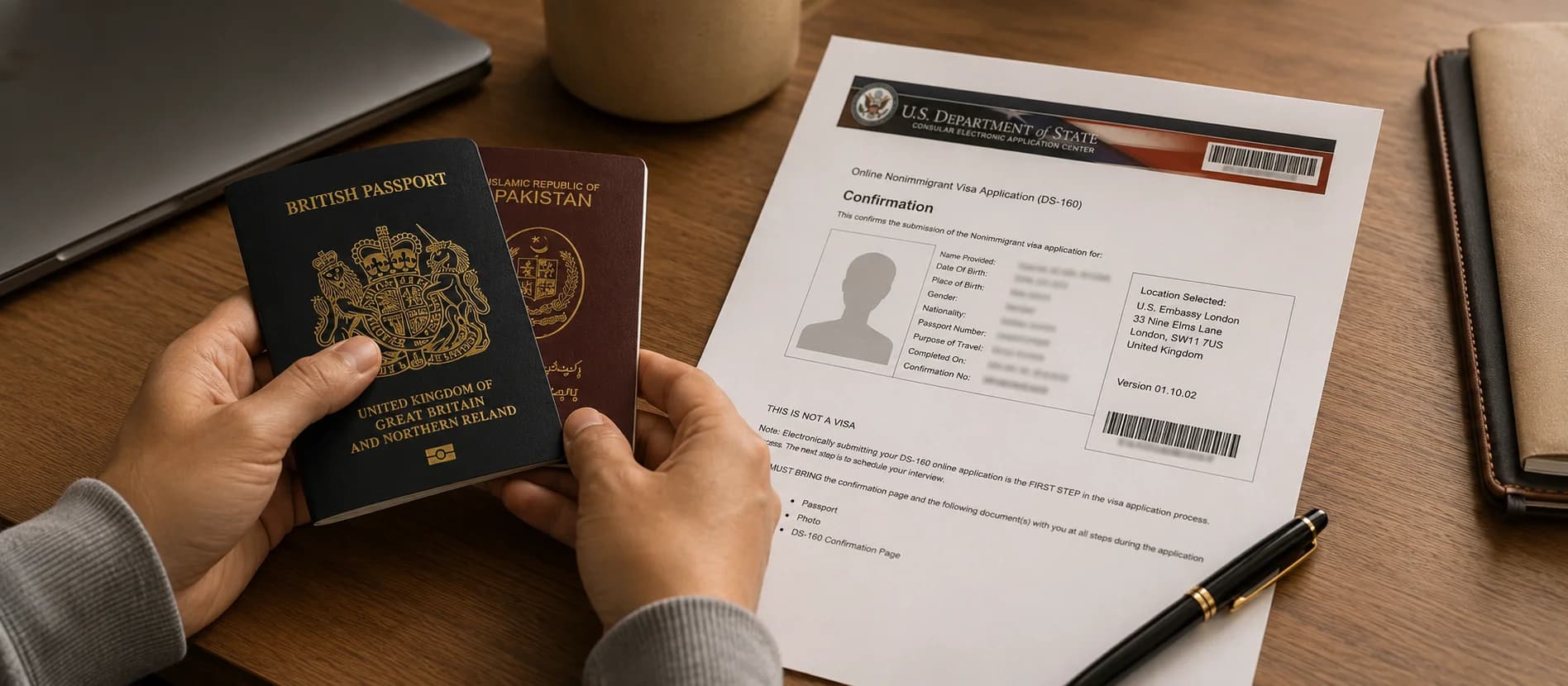
Visa Refused? How to Understand Why and Reapply Successfully in 2026
UK and Schengen visitor visa refusal rates for Pakistani applicants are both running near 45% in 2025. Here's how to actually read your refusal letter, fix the real problem, and put together a reapplication that holds up.
A visa refusal isn't the end of the road, and it isn't a verdict on you personally — it's a decision about a specific application, made against a specific set of evidence, on a specific day. In 2025, that happened to a huge number of applicants: roughly 72,000 Pakistani applicants had a UK visitor visa refused, a refusal rate of around 45% against a 79% global average grant rate, and Schengen consulates refused close to 40,000 Pakistani applications at a similar rate. If you're one of them, the goal now is simple: understand exactly why, and reapply with a file that actually addresses it.
The real numbers behind visa refusals in 2025
- •UK: Pakistan's visitor visa grant rate was around 55% in the year ending September 2025 — well below the 79% global average — with roughly 72,000 refusals recorded.
- •Schengen: consulates refused close to 40,000 Pakistani short-stay applications in 2025, a refusal rate of around 46% against a global average of under 15%.
- •Neither figure means you personally did anything wrong — it means the bar for evidence is unusually high for Pakistani applicants right now, so the file has to be built carefully.
Read your refusal letter properly before you do anything else
The single biggest mistake we see is applicants reapplying without ever properly parsing the refusal letter. It's the only document that tells you, in the case officer's own words, exactly what they weren't convinced of — and every reapplication should be built to answer it point by point.
UK refusal letters
A UK visitor visa refusal cites specific paragraphs of the Immigration Rules (Appendix V) that your application failed to satisfy — for example, paragraph V 4.2 on genuine intentions to leave, or V 4.4 on maintenance and accommodation. Standard visitor visas carry no general right of appeal; Administrative Review is only available for a narrow set of decision types (largely not standard visitor refusals), and judicial review is reserved for cases involving a clear legal error, not a simple disagreement with the outcome. For almost everyone, that means the realistic path forward is a stronger reapplication, not an appeal.
Schengen refusal letters
Schengen refusals use a standardised form (per the EU Visa Code) listing up to nine numbered grounds, with the applicable ones ticked — commonly purpose or conditions of stay not justified, insufficient proof of sufficient means, or doubt over your intention to leave before the visa expires. Unlike the UK, Schengen refusals must state your right to appeal and the applicable deadline — but the actual appeal process (and how realistic it is) varies significantly by consulate and country, so always check the specific instructions on your own refusal notice rather than assume.

The most common refusal reasons, by category
- •Financial evidence: inconsistent bank statement balances, sudden large deposits with no explanation, or funds that don't cover the whole trip plus your return.
- •Ties to your home country: thin evidence of employment, property, or family obligations that would give you a reason to leave on time.
- •Purpose and itinerary: a trip purpose that doesn't match your documents, or an itinerary that's vague, inconsistent, or doesn't match your stated dates.
- •Documentation errors: missing translations, expired supporting documents, or forms that contradict each other on basic facts like dates or addresses.
- •Immigration history: previous overstays, refusals not disclosed on the new form, or a travel history that doesn't support the trip you're now proposing.
Can you appeal, or do you need to reapply?
In practice, most Pakistani applicants refused a UK or Schengen visitor visa are better served by a rebuilt reapplication than by an appeal. UK visitor visas carry no general right of appeal, and Schengen appeals — while a formal legal right — can take months and, depending on the consulate, may cost more in legal fees than simply reapplying with a properly corrected file. The exception is when you believe there's been a clear factual or legal error in how your case was assessed; in that specific situation, it's worth getting advice on your appeal rights before the deadline on your refusal letter passes.
How to actually rebuild a stronger application
- •Start from the refusal letter, not your old application — list every reason cited and address each one individually.
- •Don't just add more of the same evidence; add different, stronger evidence that speaks directly to the officer's stated doubt.
- •Make sure your bank statements are consistent, stamped, and explain any unusual transactions in a short cover letter.
- •Tighten your itinerary so dates, bookings, and stated purpose all match exactly across every document.
- •Disclose the previous refusal on your new form — undisclosed refusals are themselves a common reason for a second refusal.
How soon can you reapply?
Neither the UK nor the Schengen area impose a mandatory waiting period before you can submit a new visitor visa application. But reapplying within days, with the same weak file, rarely changes the outcome — case officers can see your immigration history, including the previous refusal. It's almost always worth taking the time to properly rebuild the file first.
Frequently asked questions
The exact reason is stated on your refusal letter. Across both UK and Schengen refusals for Pakistani applicants, the most common categories are financial evidence, weak ties to Pakistan, an unclear or inconsistent trip purpose, documentation errors, and undisclosed immigration history.
Standard UK visitor visas carry no general right of appeal. Administrative Review only applies to a narrow set of decision types, and judicial review requires a clear legal error — not just disagreement with the outcome. For most applicants, a properly rebuilt reapplication is the realistic path forward.
Yes — Schengen refusals must state your right to appeal and the deadline to do so, under the EU Visa Code. The process and realistic chances vary by consulate and country, so check the specific instructions on your own refusal notice.
There's no mandatory waiting period for either UK or Schengen visitor visas. What matters is whether your new application actually fixes the reason you were refused — reapplying immediately with the same file rarely works.
Yes. Every UK and Schengen application form asks about previous refusals, and not disclosing one is itself a common reason for a second refusal — case officers can see your immigration history regardless.
Yes — this is exactly what our Premium service is built for. We review your refusal letter, identify the specific issue, and rebuild your application to address it properly before resubmission.